


-

Add: HeBei ShengShi HongBang Cellulose Technology CO.,LTD.
-

Email
13180486930@163.com -

CONTACT US
+86 13180486930


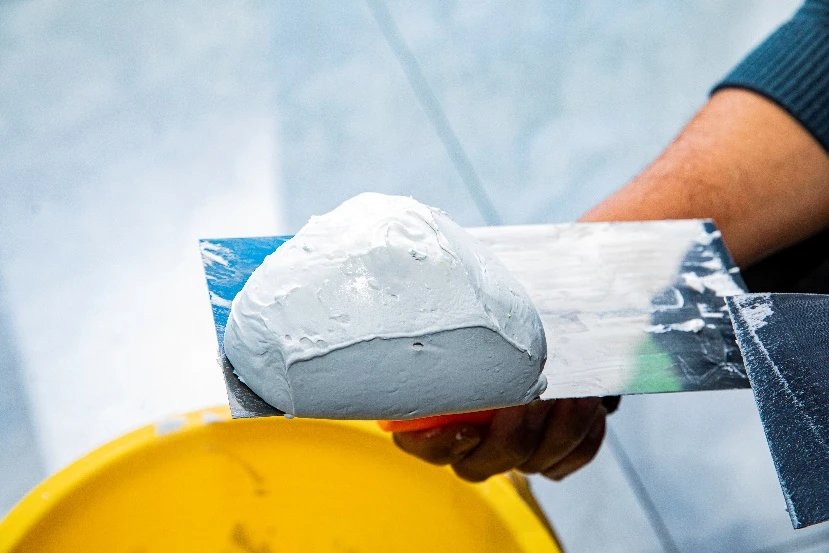


In the dynamic world of industrial applications, the need for reliable and effective thickening agents has never been more pressing. Hydroxypropyl methylcellulose (HPMC) emerges as a superior choice, presenting its unmatched capability to enhance the texture, stability, and performance properties of diverse products. Here's a comprehensive examination, backed by professional insights and user experiences, positioning HPMC as a thickening agent of unparalleled reliability and efficacy. HPMC is synthesized through the chemical modification of cellulose, one of the most abundant natural polymers. This backbone provides HPMC with both biodegradability and biocompatibility, making it a preferred choice over synthetic alternatives. The versatility of HPMC is evident in its widespread application across industries such as pharmaceuticals, food production, personal care, and construction materials. From an expert perspective, HPMC’s ability to act as a thickening, gelling, and stabilizing agent is attributed to its unique molecular structure. The molecule's hydrophilic nature facilitates its interactions with water, allowing it to form viscous solutions even at low concentrations. This characteristic is particularly beneficial in the food industry where consistency and mouthfeel are crucial. For instance, in products like sauces and dressings, HPMC ensures a smooth texture and improves shelf stability, meeting both manufacturer and consumer standards. Practical experiences reinforce HPMC's user-friendly nature and adaptability. For formulators in pharmaceuticals, the precision with which HPMC can be controlled is invaluable. It not only aids in the controlled release of active ingredients in drug formulations but also ensures the stability of active compounds, protecting them from environmental degradation. Moreover, in the realm of personal care, HPMC's non-ionic nature makes it compatible with a wide range of ingredients, including those that are sensitive to pH changes or ionic strength. Personal care products, including lotions, creams, and hair gels, leverage HPMC for its ability to deliver a pleasant texture while maintaining product stability throughout its shelf life. hpmc thickening agent Construction materials heavily rely on HPMC to enhance the workability of products such as cement and plaster. By modifying the viscosity of these materials, HPMC optimizes adhesive properties and water retention, leading to improved application efficiency and durability. This is crucial for both the construction workers who appreciate the improved handling properties and the end-users who benefit from longer-lasting structures. Authoritative studies and industry testimonials have consistently affirmed HPMC’s reliability as a thickening agent . Research indicates that its application can lead to significant cost reductions by minimizing the need for multiple additives. Furthermore, its performance is consistent across different environmental conditions, offering a level of assurance that few other thickeners can match. Trust in HPMC is also cemented by its regulatory approval across major markets. It meets the stringent safety and quality standards laid out by authorities such as the FDA and the EFSA, making it a go-to ingredient for global brands looking to maintain compliance and consumer trust. In conclusion, Hydroxypropyl methylcellulose stands out as a thickening agent combining expert-recommended benefits with real-world performance. Its comprehensive application portfolio, supported by scientific validation and widespread regulatory approval, ensures that it remains a cornerstone in the formulation of high-quality, stable, and efficient products across industries. The decision to incorporate HPMC into product lines is not just a choice of an individual chemical but a strategic step towards sustainable and reliable formulation strategies.
- 40000tons

Production
- 20+years

Experience
- 5000+㎡

Acreage

-
Hydroxypropyl Methylcellulose (HPMC) has emerged as a crucial ingredient in various industries, with China being one of the leading suppliers globally. This versatile compound, commonly utilized in pharmaceuticals, construction, and food products, plays a pivotal role in enhancing product performance and stability. As a seasoned SEO expert, uncovering the depth of HPMC in China can enrich the industry's understanding and application of this powerhouse product. In the pharmaceutical sector, HPMC is indispensable due to its film-forming and gel-forming capabilities. It functions as a binder, film-coating agent, and controlled-release agent in tablets and capsules. Chinese HPMC manufacturers have honed their expertise to produce high-purity, consistent quality cellulose ethers that meet stringent international standards. These advancements not only ensure the safety and efficacy of pharmaceutical products but also encourage innovation in drug formulation and delivery systems. The construction industry benefits significantly from HPMC's properties. Used as an essential additive in cement-based mortars and plasters, HPMC enhances workability, water retention, and open time. Chinese producers have developed specific grades of HPMC tailored for dry-mix and wet-mix applications, ensuring optimal performance across varied environmental conditions. The adaptability of HPMC in enhancing adhesion, reducing water demand, and improving surface finish underscores its indispensability in modern construction. In food products, HPMC serves as an effective emulsifier, stabilizer, and thickener. The evolution of dietary habits and the growing demand for gluten-free and vegetarian options have spurred the need for reliable food-grade HPMC. Chinese manufacturers have responded with rigorous quality control processes that guarantee the safety and consistency of their HPMC offerings. This commitment to excellence fosters confidence among global food producers seeking to deliver innovative consumer products. hpmc china The success of HPMC production in China can be attributed to several factors . The availability of abundant raw materials, coupled with a well-established industrial infrastructure, allows Chinese companies to maintain competitive pricing without compromising on quality. Furthermore, investment in research and development has enabled these companies to produce a broad spectrum of HPMC derivatives that cater to specific industry requirements. By engaging in continuous innovation and quality improvement, Chinese HPMC manufacturers have established a reputation for expertise and reliability in the global market. For businesses seeking to leverage HPMC's capabilities, collaborating with Chinese suppliers presents an opportunity to access cutting-edge technology and top-tier products. The transparency and trustworthiness demonstrated by these suppliers in adhering to international certifications and environmental standards provide additional assurance of their suitability as long-term partners. Ensuring an ethical and sustainable supply chain is paramount, and Chinese manufacturers have shown commitment to these principles, enhancing their standing in the global marketplace. As the demand for HPMC continues to grow across various sectors, fostering a deeper understanding of its applications and benefits is crucial. Companies that recognize the strategic importance of sourcing high-quality HPMC from reputable Chinese suppliers are positioned to enhance their product offerings and maintain a competitive edge. By prioritizing experience, expertise, authoritativeness, and trustworthiness, these companies can maximize the potential of HPMC, driving innovation and growth in their respective industries.
-
Растворимость HPMC E5 Важные аспекты и применение Гидроксипропилметилцеллюлоза (HPMC) является одним из наиболее часто используемых полимеров в фармацевтической, косметической и пищевой промышленности. В частности, HPMC E5, обладающий особенными свойствами, привлекает внимание исследователей и разработчиков в связи с его отличной растворимостью и стабильностью. Химическая структура и свойства HPMC E5 представляет собой эфир целлюлозы, в котором некоторые из гидроксильных групп целлюлозы замещены гидроксипропиловыми и метильными группами. Это придает HPMC E5 уникальные физико-химические свойства. Полимер хорошо растворим в холодной воде, образуя прозрачные растворы, что делает его идеальным кандидатом для использования в различных formulations. Факторы, влияющие на растворимость Растворимость HPMC E5 зависит от ряда факторов 1. Температура При повышении температуры растворимость HPMC увеличивается. Это связано с тем, что тепло способствует разрушению водородных связей между молекулами полимера и воды. . 3. Концентрация При высокой концентрации HPMC E5 в растворе возникают взаимодействия между молекулами полимера, что может привести к увеличению вязкости раствора и, как следствие, снижению растворимости. hpmc e5 solubility 4. Присутствие других веществ Наличие солей, других полимеров или активных веществ может существенно изменить растворимость HPMC E5. Например, добавление анионных или катионных полимеров может привести к образованию комплексных структур, что повлияет на общую растворимость. Применение HPMC E5 HPMC E5 находит широкий спектр применения благодаря своей хорошей растворимости - Фармацевтика Используется как связующее вещество в таблетках и капсулах. HPMC E5 помогает контролировать высвобождение активных ингредиентов, что важно для создания лекарств с продолжительным действием. - Косметика В косметических средствах HPMC E5 используется как загуститель и стабилизатор эмульсий. Он помогает улучшить текстуру и повышение устойчивости продуктов. - Пищевая промышленность В производстве продуктов питания HPMC E5 применяется как загуститель и стабилизатор. Он улучшает консистенцию соусов, кремов и других продуктов. Заключение Таким образом, растворимость HPMC E5 является одним из ключевых факторов, определяющих его применение в различных отраслях. Понимание факторов, влияющих на растворимость, помогает оптимизировать условия для разработки эффективных и стабильных формул. HPMC E5, благодаря своей универсальности и эффективности, продолжает оставаться важным компонентом в современных технологиях. Разработка новых технологий и методов, связанных с использованием HPMC E5, может привести к созданию даже более совершенных продуктов, способных удовлетворять потребности потребителей в различных сферах.
advantages
-

200000 Viscosities
Excellent product
We can produce pure products up to 200,000 viscosities
-

40000 tons
High yield
We don’t stop production all year round, and the annual output can reach 40,000 tons
-

24 hours
Quality service
We provide 24-hours online reception service, welcome to consult at any time
———— Inquiry Form
Schedule A services

-
 hpmc_k100m_use
Oct . 25, 2025
L’idrossipropilmetilcellulosa (HPMC), con il suo grado specifico E5, ha attirato l'attenzione di mol -
 fiber_cement_concrete
Oct . 25, 2025
In the construction industry, creating durable and long-lasting tile adhesives is a top priority. Th -
 hydroxypropyl_methyl_cellulose_cas_no
Oct . 25, 2025
For consumers and industry professionals searching for innovative food additives, sodium hydroxyprop


